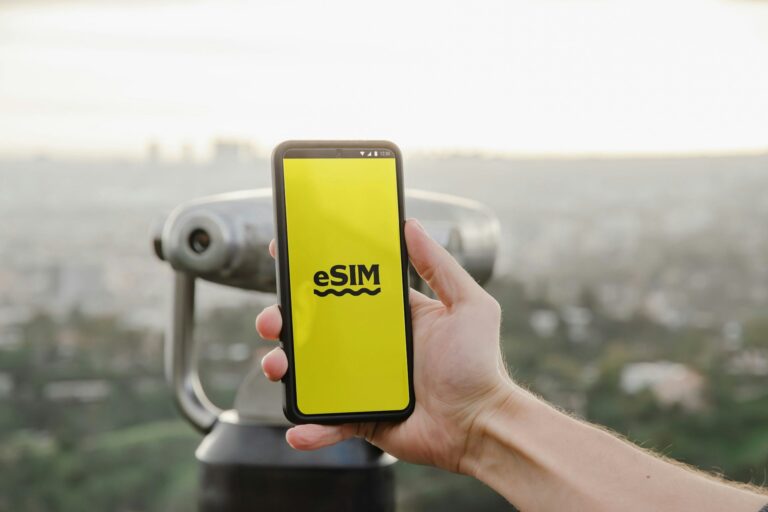
Working remotely has become a popular lifestyle choice for professionals who seek flexibility and a change of scenery.
The idea of taking work to another country appeals to many, yet it brings a unique set of connectivity concerns. Stable internet access, secure platforms, and smooth device management become essential parts of daily tasks.
Don’t want to miss the best from TechLatest?
Set us as a preferred source in Google Search
and make sure you never miss our latest.
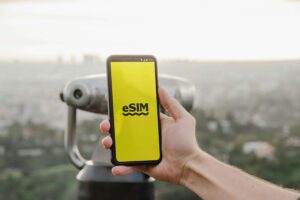
When you are working remotely across borders, the need for reliable mobile data grows. An international travel eSIM plan offers an easy way to access dependable coverage in multiple destinations without dealing with physical cards or long activation steps.
This article explains how eSIMs support cross-border work, how to evaluate coverage options, and what to check before pairing them with a VPN for secure online activity.
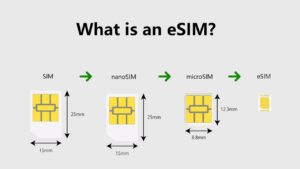
Read: SIM vs. eSIM: Choosing the Right Mobile Connectivity Option
Choose Reliable Connectivity for Working Globally
Strong connectivity forms the foundation of productive remote work. Many travellers choose eSIM solutions because they offer predictable coverage that fits both short trips and long stays.
These digital profiles provide flexible data allotments for different durations, making them suitable for remote workers, freelancers, and business travelers spending extended periods away from home.
Some providers offer regional or global plans that cover continents or large clusters of countries to support longer stays.
Plans with coverage in more than 100 or 200 destinations help workers maintain steady internet access as they move between locations. This is useful for those whose schedules include multiple cities or countries.
Key Considerations for Selecting Coverage
- Check the list of supported destinations
- Review plan duration options
- Compare data allowances to daily task requirements
- Look for coverage consistency across borders
Evaluate eSIM features for professional use
Remote workers require more than basic travel data. Platform stability, app support, and clear usage monitoring contribute to reliable performance during work hours.
Many modern eSIM services offer built-in features that help users track remaining data, upgrade plans, and switch regions when needed.
Helpful Features for Remote Work
- Transparent pricing for data allocations
- Simple installation with QR setup
- Dashboard access for usage and plan details
- Options for short or long validity periods
Multi-country plans help remote professionals avoid managing several profiles across destinations. Selecting a plan that matches the length and structure of the trip ensures smoother workdays and less time spent troubleshooting connectivity.
Read: Why eSIM is the Next Big Thing in Mobile Technology
VPN Compatibility for Secure Work Abroad
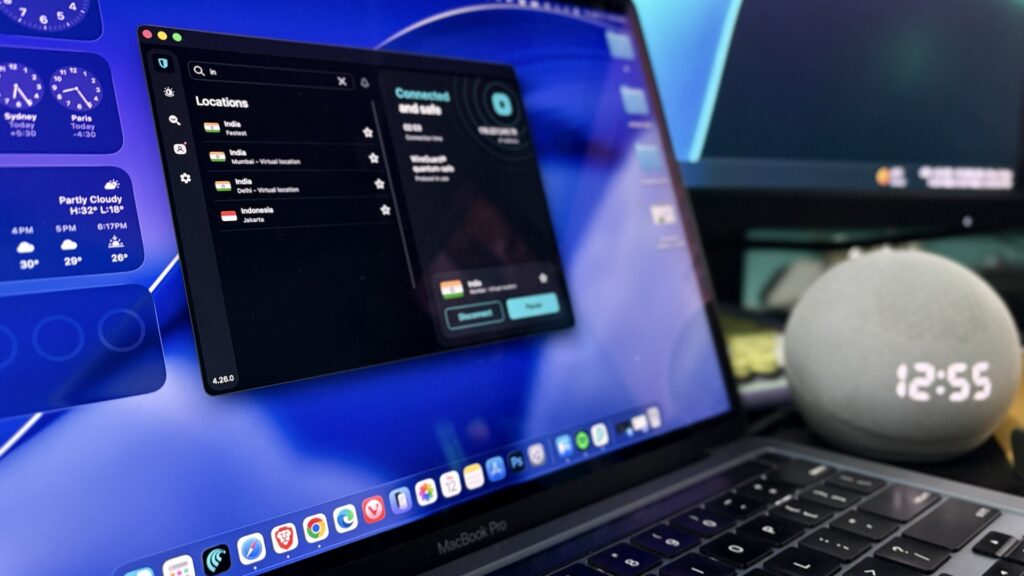
Security is a high priority during remote work, especially when handling company files, client communication, or sensitive data.
A VPN helps add protection by encrypting activity and masking access points, yet compatibility with the chosen plan is essential. Before relying on a VPN abroad, users should test how the VPN interacts with mobile networks.
Some networks may restrict specific VPN protocols, while others may reduce speeds when connected. Checking these details ahead of time supports uninterrupted work.
Points to Review Before Using a VPN
- Confirm that the VPN provider works well in the planned destination
- Test VPN speed on mobile data instead of public Wi-Fi
- Review VPN protocol options if one type fails to connect
Data Requirements for Productive Remote Work
Data needs differ among remote workers. Video calls, cloud access, and collaboration tools generally require more bandwidth.
A professional who joins meetings daily may need an eSIM data plan with a higher data allowance than someone who relies on email and messaging. Regional and global plans offer flexibility for extended itineraries.
Some long-duration options reach up to a full year of validity, which suits individuals staying abroad long-term. Add-on options also help when workloads spike, and extra data becomes necessary.
Choosing the Right eSIM Plan for Work and Travel
Selecting a suitable eSIM data plan begins with assessing travel patterns, work style, and preferred destinations. Remote workers who plan to move between several countries benefit from plans that cover wide regions.
Those staying in one area for months may choose a focused regional option with strong network partners. A good approach is to list requirements, compare available plans, and then select one that matches project deadlines, meeting schedules, and travel timelines.
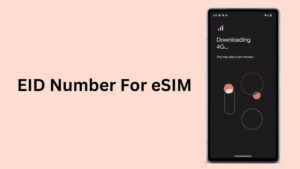
Read: What is an EID Number, and How Do You Find It?
Planning Long-Term Travel With Reliable Connectivity
Extended trips require stable connections for both personal and professional needs. Workers often appreciate the convenience of long-duration plans that avoid constant renewals. Such plans help reduce administrative tasks and allow greater focus on projects.
In many cases, these long-term options already include broad coverage areas that support workdays even when moving between countries. This brings consistency and removes the stress of managing several local SIMs.
An international travel eSIM continues to serve as a practical option for those seeking stability without the effort of changing profiles across borders.
Working remotely globally becomes far more achievable with the right connectivity tools. eSIMs offer stable coverage, simple setup, and flexible durations that fit various travel schedules.
Pairing the plan with a suitable VPN enhances data protection, making a secure workflow possible across borders.
With clear preparation and thoughtful plan selection, remote professionals can maintain productivity and enjoy their international experiences with confidence during each stage of their journey.
Enjoyed this article?
If TechLatest has helped you, consider supporting us with a one-time tip on Ko-fi. Every contribution keeps our work free and independent.
Support on Ko-fiDirectly in Your Inbox