Pharmaceutical contamination control is increasingly powered by connected instruments, automated monitoring, and data-driven quality systems. While clean facilities and disciplined procedures remain essential, manufacturers now rely on technology to detect unwanted substances earlier, monitor critical conditions continuously, and build a reliable digital record for every batch.
Contamination can originate in raw materials, processing equipment, water systems, production environments, or human activity. It may involve microorganisms, particles, product residues, or trace chemicals.
Don’t want to miss the best from TechLatest?
Set us as a preferred source in Google Search
and make sure you never miss our latest.
Because even very small quantities can affect product quality, manufacturers combine physical controls with sensitive analytical techniques and software that helps quality teams identify trends, investigate deviations, and make evidence-based release decisions.
Read: How to Sanitize Your Phone in 5 Easy Steps
Analytical Technology Screens Raw Materials
Contamination prevention begins before an ingredient enters production. Active pharmaceutical ingredients, excipients, and processing materials are checked against predefined specifications to confirm their identity, purity, and suitability.
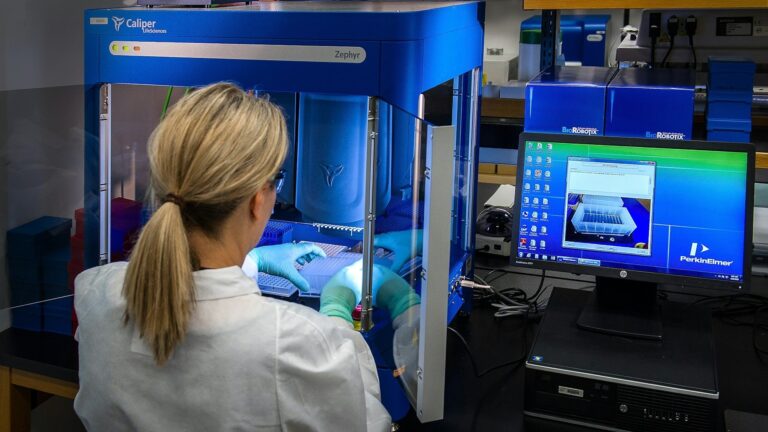
Quality control laboratories use analytical platforms such as spectroscopy and chromatography to detect impurities that physical inspection cannot reveal. Connecting instruments to laboratory information management systems allows results, sample identities, and approval status to be recorded consistently.
Ion Chromatography Detects Charged Contaminants
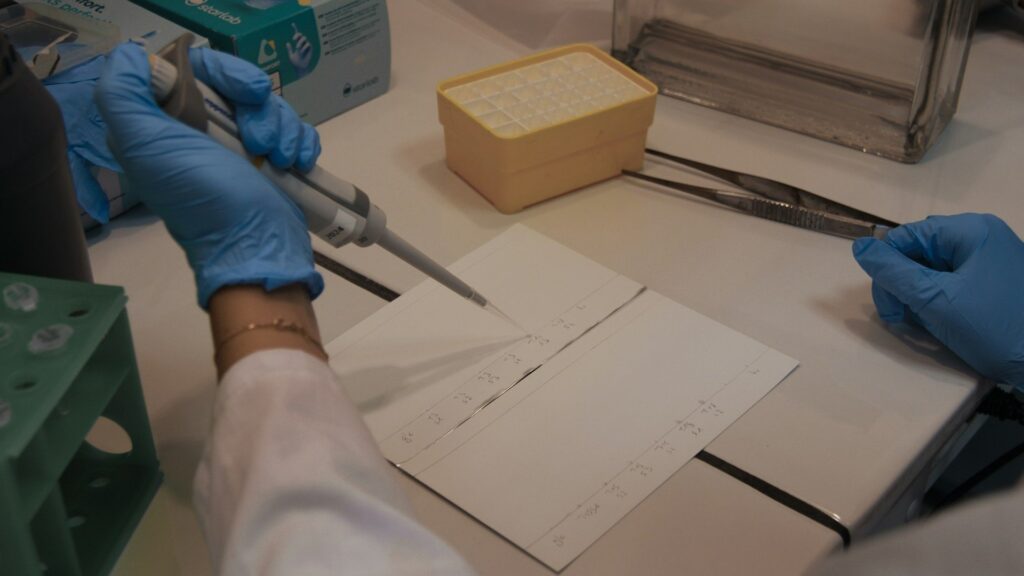
Ion chromatography is particularly useful when laboratories need to separate and quantify anions, cations, and other charged compounds. It can support the analysis of pharmaceutical ingredients, process samples, and cleaning solutions, including measurements at low concentrations.
Metrohm offers ion chromatography systems designed for this type of analysis. Automated sample handling and data processing can increase throughput while reducing variability associated with repetitive manual steps.
Analytical results also complement supplier qualification. Digital supplier records, certificates of analysis, and historical test data allow quality teams to compare incoming materials with previous deliveries. Materials can remain electronically quarantined until testing is complete and authorized personnel approve them for use.
Smart Monitoring Strengthens Controlled Environments
Pharmaceutical facilities use heating, ventilation and air-conditioning systems, filtration and pressure controls to maintain suitable production conditions. Sensors can track temperature, humidity, differential pressure, and airborne particle levels, providing a more continuous view than periodic manual checks alone.
Connected Sensors Provide Earlier Warnings
Environmental monitoring systems can collect readings from multiple areas and display them through central dashboards. Configured alerts notify staff when a parameter approaches or exceeds an established limit, allowing the site to investigate before the condition affects production.
Digital tools improve the scheduling, location tracking, and trend analysis associated with microbial monitoring. Mapping results over time can reveal recurring hotspots or links between contamination events and changes in room conditions.
Electronic access controls can restrict entry to authorized employees, while digital training platforms maintain qualification records. Electronic checklists can also guide gowning, cleaning, and line-clearance activities.
Automation Reduces Process Exposure
Every manual transfer or open processing step creates an opportunity for contamination. Closed manufacturing systems, automated material handling, and robotic equipment can reduce direct interaction between operators and products.
Programmable logic controllers and manufacturing execution systems can manage process parameters, record equipment status, and flag departures from validated operating ranges.
However, automation does not remove the need for control. Software, sensors, and equipment must be qualified, calibrated, and maintained. User access, audit trails, and data integrity controls are also important because a technically accurate measurement has limited value if it cannot be reliably linked to the correct batch, sample, or process stage.
Digital Cleaning Validation Confirms Equipment Readiness
Product residues left on manufacturing equipment can contaminate a later batch. Companies therefore use documented cleaning procedures followed by validation testing to show that residues remain below scientifically justified limits.
Electronic Workflows Improve Traceability
Electronic workflows can assign swab or rinse-sample locations, record who collected each sample, and connect results to the relevant equipment and cleaning cycle. This improves traceability across production campaigns.
Equipment sensors can add further insight. Conductivity, temperature, flow, and pressure readings may help verify that an automated clean-in-place cycle ran as intended. Predictive maintenance software can also identify changes in equipment performance that could indicate worn seals, failing filters, or other conditions capable of introducing particles or creating hard-to-clean areas.
Water Systems Use Continuous and Laboratory Monitoring
Water is a critical pharmaceutical utility, and its required quality depends on how it will be used. Treatment, storage, and distribution systems are designed to limit chemical, particulate, and microbial contamination.
Online sensors can continuously monitor selected parameters such as conductivity, temperature, flow, or total organic carbon. This provides rapid visibility into system performance, while scheduled laboratory testing supplies more specific confirmation of water quality.
Ion chromatography may be used when analysts need to identify and quantify ionic components in water or process samples. Chromatographic data can help distinguish specific ions that a general conductivity reading cannot identify. Used together, real-time monitoring and targeted laboratory analysis provide both an early-warning layer and detailed evidence for an investigation.
Digital Systems Help Prevent Cross-Contamination
Multi-product facilities must prevent materials from being transferred between production lines, rooms, or batches. Technology can reinforce physical separation through barcode or radio-frequency identification, electronic material tracking, and equipment-status controls.
Scanning systems can verify ingredients before dispensing. Manufacturing execution systems may halt a process if the wrong material is scanned, an operator lacks the required qualification, or equipment has not been released after cleaning.
Electronic batch records bring these events together in a searchable audit trail. If an unexpected result occurs, investigators can review material lots, equipment histories, environmental readings, operator actions, and process parameters without relying solely on disconnected paper records.
Data Analytics Supports Faster Quality Decisions
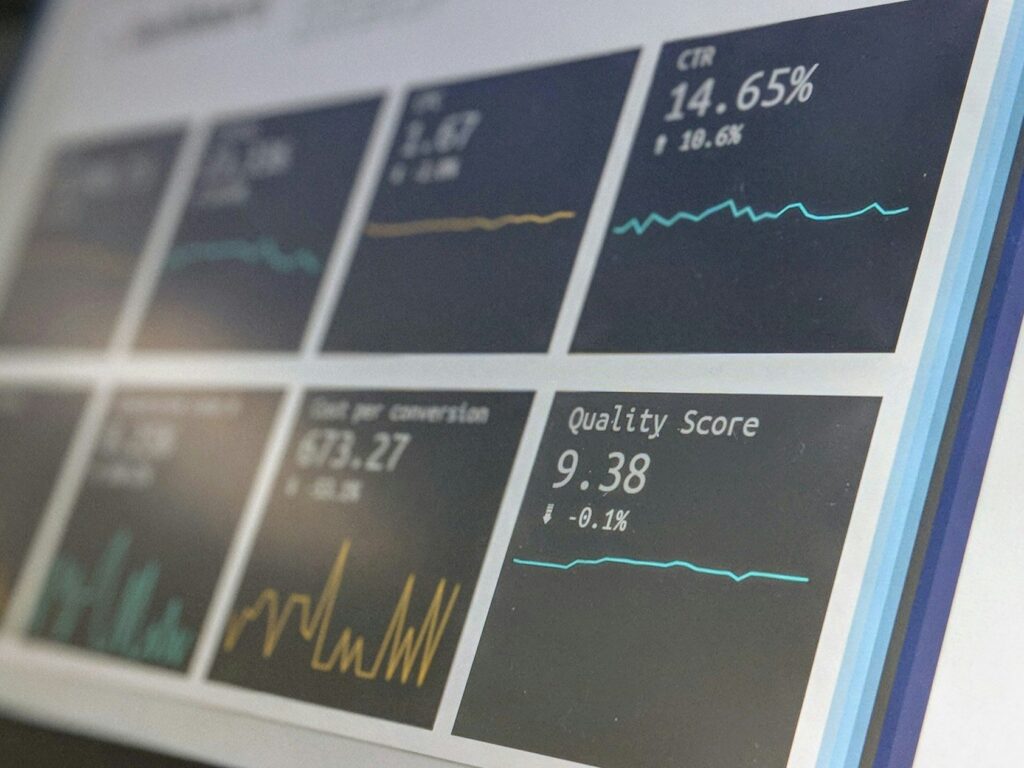
Finished medicines are tested before release for characteristics such as identity, strength, purity, dissolution, microbial quality, and impurity levels. The precise program depends on the formulation, dosage form, and applicable requirements.
Laboratory instruments generate detailed datasets, and chromatography data systems help analysts process results using controlled methods. Integration with laboratory and manufacturing systems can reduce manual transcription and make it easier for reviewers to connect a result with the relevant sample and batch.
Ion chromatography can be suitable for determining ionic impurities, counterions, and other charged species in certain products. Results are assessed alongside process data, environmental monitoring, and recorded deviations before the quality unit makes a release decision.
Building a Connected Contamination-Control Strategy
Technology is making pharmaceutical contamination control more continuous, traceable, and responsive. Sensitive analytical instruments identify contaminants in raw materials, water, cleaning samples, and finished products.
Connected sensors monitor manufacturing environments and utilities, while automation reduces unnecessary product exposure. Digital records and analytics then turn individual measurements into a broader view of process performance.
The strongest approach is not based on a single instrument or software platform. It combines validated analytical methods, calibrated sensors, secure data systems, well-maintained equipment, and trained personnel.
Enjoyed this article?
If TechLatest has helped you, consider supporting us with a one-time tip on Ko-fi. Every contribution keeps our work free and independent.
Support on Ko-fiDirectly in Your Inbox